
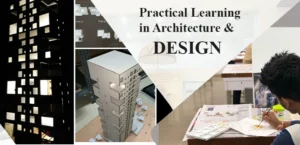
In the dynamic world of architecture and design, theoretical knowledge alone is not enough to shape successful professionals. Creativity, innovation, and problem-solving skills are best developed through hands-on experiences. This is where studio-based education plays a crucial role. For students aspiring to study at a top Architecture College in Mumbai, understanding the concept of practical learning and studio-based teaching is essential.
Institutions like Aditya College of Art, Architecture and Design (ACAAD) have embraced this modern approach, ensuring that students gain real-world exposure while developing their creative abilities. In this article, we explore how studio-based education works, why it is important, and how it prepares students for successful careers in architecture and design.
What is Studio-Based Education?
Studio-based education is a teaching methodology widely used in architecture and design programs. Unlike traditional classroom learning, where students passively absorb information, studio learning is interactive, practical, and project-driven.
In this system, students work on design projects in a studio environment under the guidance of faculty mentors. The focus is on:
- Concept development
- Design thinking
- Problem-solving
- Iterative learning through feedback
This method is a core feature of every reputed Architecture College in Mumbai, as it closely replicates real-world professional practice.
Why Practical Learning is Essential in Architecture & Design
Architecture and design are disciplines that require creativity combined with technical knowledge. Practical learning ensures that students can apply theoretical concepts effectively.
1. Bridging Theory and Practice
Students learn how to apply concepts like space planning, materials, and structural design in real-life scenarios.
2. Enhancing Creativity
Studio-based learning encourages experimentation and innovation, helping students develop unique design solutions.
3. Building Problem-Solving Skills
Students are exposed to real-world challenges, such as site constraints and client requirements, which enhance their analytical abilities.
4. Preparing for Professional Practice
The studio environment simulates real architectural firms, preparing students for future careers.
For anyone considering an Architecture College in Mumbai, these benefits make practical learning an essential component of education.
How Studio-Based Learning Works at ACAAD
At Aditya College of Art, Architecture and Design (ACAAD), studio-based education is at the heart of its academic approach. The institute focuses on experiential learning to ensure students are industry-ready.
1. Design Studios
Students spend a significant portion of their academic time in design studios, where they:
- Work on architectural and design projects
- Develop concepts and models
- Present their ideas to faculty and peers
This continuous engagement helps students refine their skills and build confidence.
2. Project-Based Learning
Each semester includes multiple design projects that challenge students to think creatively and practically. These projects often involve:
- Residential and commercial design
- Urban planning concepts
- Interior design solutions
- Sustainable architecture
Such projects make ACAAD a preferred Architecture College in Mumbai for students seeking hands-on experience.
3. Continuous Feedback and Critiques
One of the key aspects of studio-based education is regular feedback. Faculty members at ACAAD provide:
- One-on-one mentoring
- Design critiques (jury sessions)
- Constructive suggestions for improvement
This iterative process helps students continuously improve their work.
4. Collaborative Learning
Studio environments encourage collaboration among students. Group projects and discussions help in:
- Sharing ideas and perspectives
- Learning teamwork
- Developing communication skills
Collaboration is a vital skill in the architecture and design industry.
Tools and Techniques Used in Studio Learning
Modern studio-based education incorporates a variety of tools and technologies. At a leading Architecture College in Mumbai like ACAAD, students gain exposure to:
1. Digital Design Software
Students learn industry-standard tools such as:
- AutoCAD
- SketchUp
- Revit
- Adobe Creative Suite
These tools are essential for creating professional designs and presentations.
2. Physical Model Making
Students create scale models to visualize their designs. This helps in understanding:
- Spatial relationships
- Structural elements
- Design aesthetics
3. Site Visits and Fieldwork
Practical learning extends beyond the studio through site visits, where students observe real construction projects and architectural practices.
4. Workshops and Seminars
ACAAD organizes workshops and seminars conducted by industry experts, providing insights into current trends and practices.
Benefits of Studio-Based Education at ACAAD
Choosing ACAAD as your Architecture College in Mumbai offers several advantages:
1. Industry-Ready Skills
Students graduate with practical skills that are directly applicable in the workplace.
2. Strong Portfolio Development
Studio projects help students build impressive portfolios, which are crucial for job placements and higher studies.
3. Confidence in Presentation
Regular presentations and critiques improve communication and presentation skills.
4. Exposure to Real-World Challenges
Students learn to handle real-world design constraints and client requirements.
Career Opportunities After Studio-Based Learning
Graduates from a reputed Architecture College in Mumbai like ACAAD have diverse career options, including:
- Architect
- Interior Designer
- Urban Planner
- Landscape Architect
- Product Designer
- Visual Designer
The practical exposure gained through studio-based education gives students a competitive edge in the job market.
Role of Faculty in Studio-Based Education
Faculty members play a crucial role in guiding students through the learning process. At ACAAD, experienced faculty members:
- Mentor students throughout projects
- Provide industry insights
- Encourage innovation and creativity
Their guidance ensures that students develop both technical and creative skills.
Importance of Infrastructure in Studio Learning
A well-equipped studio environment enhances the learning experience. ACAAD provides:
- Spacious design studios
- Advanced computer labs
- Model-making workshops
- Library and research resources
Such infrastructure supports effective learning and creativity.
Why ACAAD Stands Out as an Architecture College in Mumbai
There are several reasons why ACAAD is considered a top Architecture College in Mumbai:
- Strong focus on practical learning
- Studio-based teaching methodology
- Experienced faculty
- Modern infrastructure
- Industry exposure and workshops
These factors make ACAAD an ideal choice for students passionate about architecture and design.
Challenges and How Studio-Based Learning Helps Overcome Them
Architecture and design education can be challenging due to its demanding nature. Studio-based learning helps students overcome these challenges by:
- Encouraging time management
- Promoting creative thinking
- Providing continuous feedback
- Building resilience through iterative learning
This prepares students to handle the pressures of professional practice.
Future of Architecture Education
The future of architecture and design education is increasingly focused on practical learning and innovation. Trends shaping the future include:
- Sustainable and green architecture
- Smart city planning
- Digital and parametric design
- Integration of AI and technology
Institutes like ACAAD are already incorporating these trends into their curriculum, ensuring students stay ahead in the industry.
Conclusion
Practical learning through studio-based education is the foundation of successful careers in architecture and design. It transforms students from passive learners into active creators, equipping them with the skills needed to excel in the professional world.
For students seeking a top Architecture College in Mumbai, Aditya College of Art, Architecture and Design (ACAAD) offers an ideal blend of creativity, technology, and real-world exposure. Its focus on studio-based learning ensures that students are not only academically strong but also industry-ready.
By choosing ACAAD, aspiring architects and designers can gain the practical knowledge, experience, and confidence needed to build a successful and fulfilling career in the field.