
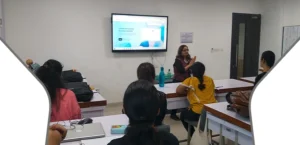
Architecture and design are disciplines where ideas must eventually work in real environments. A drawing may communicate a concept, but understanding how that concept translates into materials, construction methods, site conditions, and project requirements takes practical experience. For students pursuing architecture and related design programmes, connecting classroom learning with real-world practice is an important part of professional development.
Aditya College of Art, Architecture and Design (ACAAD), Mumbai, recognises the importance of experiential learning through its practical training initiative. The college encourages students to engage with real-life site conditions so they can better understand how architectural and construction processes operate beyond academic studios.
Why Practical Training Matters in Architecture and Design
Classroom learning provides the theoretical foundation for understanding design, construction, materials, structures, and planning. Practical training helps students observe how these concepts are applied in professional environments.
During site-based learning, students may encounter construction sequences, coordination between professionals, material handling, resource planning, safety procedures, and unexpected challenges. Observing these activities can help them understand why design decisions must consider technical requirements as well as visual appeal.
Practical experience can also develop professional habits such as careful observation, documentation, communication, time management, and problem-solving.
ACAAD’s Approach to Practical Training
ACAAD’s official training page describes a practical training initiative incorporated into College Project work. Students are expected to engage with real-life sites to observe field conditions and methodologies.
The initiative is intended to strengthen understanding of architectural and construction processes, including planning, resource management, and on-site problem-solving. The college identifies B.Arch, M.Arch, and B.Voc programmes among the courses adopting this approach.
The page also highlights the role of the Training, Placement, and Alumni Cell in connecting current students with industry professionals and alumni. These interactions can provide guidance on portfolios, internships, and career opportunities.
Together, site engagement and professional interaction can help students develop a broader understanding of their future work.
What Students Can Learn from Site-Based Training
1. Understanding Construction Methods
Site exposure allows students to observe how construction work progresses from one stage to another. They may learn about the sequencing of activities, coordination between trades, and the importance of following technical drawings and specifications.
2. Connecting Drawings with Actual Conditions
Architectural drawings communicate design intent, dimensions, layouts, and construction details. Comparing drawings with actual site conditions can help students understand how measurements, levels, materials, and practical constraints influence execution.
3. Learning About Materials and Resources
Construction projects involve decisions about materials, availability, handling, quality, and use. Observing these processes helps students appreciate the relationship between design choices, resource management, and project requirements.
4. Developing Observation and Problem-Solving Skills
Real sites can present challenges that are not always visible in classroom exercises. Students may observe how professionals identify problems, communicate with teams, and evaluate practical alternatives.
5. Understanding Professional Coordination
Building projects involve different people and areas of expertise. Site exposure can help students understand the importance of communication and coordination among architects, contractors, engineers, consultants, and other participants.
The specific tasks available to students depend on their programme, training arrangements, site permissions, and the responsibilities assigned by supervising professionals.
The Role of Training in B.Arch Education
A Bachelor of Architecture programme combines design studios with subjects such as building construction, architectural representation, structures, building services, environmental studies, and professional practice.
Practical training helps connect these subjects. For example, a student who has studied construction materials can observe how materials are selected and used on site. A learner familiar with architectural drawings can develop a better understanding of how documentation supports execution.
Site exposure can also encourage students to think more carefully about feasibility, safety, functionality, sustainability, and the needs of the people who will use a building.
At ACAAD, practical site engagement is described as part of the learning approach for architecture students. Prospective students should consult the official programme and training information for the latest course-specific requirements.
Practical Learning for M.Arch Students
For students pursuing a Master of Architecture, professional exposure can complement advanced study, research, and specialised design work. Observing how projects are developed and executed may help postgraduate learners connect research questions with practical issues in the built environment.
Depending on their areas of study, students may investigate topics related to building performance, urban contexts, materials, environmental design, construction practices, or project coordination.
Practical experience can also support more informed discussions about the challenges that professionals face when translating design proposals into workable outcomes.
Training Opportunities for B.Voc Interior Design Students
Interior design also benefits from understanding real-world conditions. Design concepts must respond to measurements, materials, finishes, lighting, services, furniture, budgets, and the needs of the people using a space.
Site exposure can help students see how interior concepts interact with existing structures and construction requirements. It may also improve their understanding of coordination between designers, suppliers, contractors, and clients.
ACAAD’s training page includes the B.Voc programme among the courses adopting its practical training initiative. Students should check the current syllabus and training requirements for details relevant to their academic year.
How Practical Training Supports Career Readiness
Professional readiness involves more than completing academic assignments. Students must learn how to communicate their ideas, understand project constraints, work responsibly, and present evidence of their abilities.
Practical training can contribute to career development in several ways:
- Portfolio development: Students can reflect on relevant learning experiences and present permitted academic work clearly.
- Interview preparation: Practical examples can help students explain what they have observed and learned.
- Industry awareness: Students gain a better understanding of workplace processes and professional expectations.
- Communication skills: Site observations can encourage clear reporting, questioning, and discussion.
- Career exploration: Exposure to different aspects of the profession may help students identify areas they would like to pursue.
Training does not automatically guarantee employment, but it can help students build knowledge and examples that are useful when preparing for internships and entry-level opportunities.
The Importance of Industry and Alumni Interaction
Learning from experienced professionals can help students understand how architectural and design careers develop. Architects and other practitioners may share insights into project workflows, technical documentation, client communication, portfolio presentation, and workplace expectations.
ACAAD’s Training, Placement, and Alumni Cell describes its role in connecting students with industry professionals and alumni for guidance on portfolios, internships, and career opportunities.
Students can make the most of these interactions by preparing questions, researching the professional’s area of work, and reflecting on how the advice relates to their own goals.
How Students Can Make the Most of Practical Training
Students can approach practical training as an opportunity to learn actively rather than simply observe.
Prepare before visiting a site. Review relevant drawings, project information, and course concepts so you know what to look for.
Observe systematically. Record appropriate notes about processes, materials, sequencing, and coordination, while following site rules.
Ask relevant questions. Use opportunities to clarify how technical decisions are made and how different teams work together.
Follow safety requirements. Observe site instructions, use required protective equipment, and never enter restricted areas without authorisation.
Reflect on the experience. After a visit or training period, connect observations with the subjects studied in class.
Respect confidentiality. Obtain permission before photographing sites, recording conversations, or including project information in a portfolio.
These practices can make practical learning more meaningful while helping students develop professional responsibility.
Practical Training and the Future of Architectural Education
The built environment is changing as professionals respond to new technologies, sustainability goals, evolving materials, and changing user needs. Students benefit from understanding both established construction methods and emerging approaches to design and project delivery.
Practical learning can help them see how decisions affect building performance, resource use, project coordination, and the people who occupy completed spaces. It also encourages a realistic understanding of the relationship between creativity, technical knowledge, and implementation.
By combining academic study with site exposure and professional interaction, students can develop a more rounded perspective on architecture and allied design disciplines.
Conclusion: Connect Knowledge with Experience at ACAAD
Practical training plays an important role in helping architecture and design students understand how their academic knowledge applies to real projects. Site observation, exposure to construction processes, professional interaction, and portfolio preparation can support the transition from student learning to professional practice.
ACAAD’s training initiative emphasises real-life site engagement for students in B.Arch, M.Arch, and B.Voc courses, alongside guidance from its Training, Placement, and Alumni Cell.
Students interested in learning through practical exposure can explore the official ACAAD training page and review the requirements relevant to their programme. By approaching training with curiosity, responsibility, and a willingness to learn, they can build a stronger foundation for their future in architecture and design.
Explore practical learning at ACAAD and take an active step towards connecting creative ideas with real-world applications.